Risk (and the Oaktree memos) · 2011
Howard Marks on risk: what his memos really teach
For Howard Marks, risk isn't volatility — it's the probability of permanent loss. Here's why that distinction changes everything.
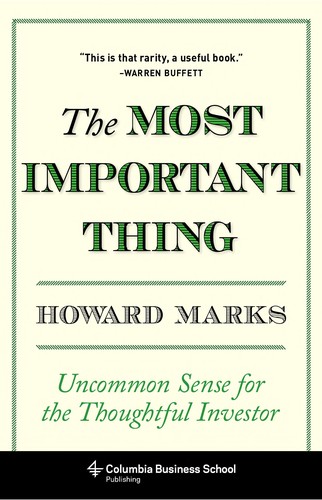
Howard Marks has written client memos for decades; Warren Buffett has said he reads them the day they arrive. Distilled into his book The Most Important Thing, the memos return again and again to one theme: understanding risk.
Risk is not volatility
Academic finance equates risk with price volatility because it's easy to measure. Marks rejects that. Real risk, he argues, is the probability of a permanent loss of capital — and it is highest precisely when prices are calm and everyone feels safe, because that's when investors overpay and abandon caution.
“Risk means more things can happen than will happen.”
Second-level thinking
Marks's other signature idea is 'second-level thinking': it isn't enough to conclude a company is good; you must ask what is already priced in and whether the consensus is wrong. First-level thinking ('good company, buy it') is what everyone does, so it can't produce above-average results. The edge comes from thinking differently — and better — than the crowd.
- Risk is the chance of permanent loss, not day-to-day price movement.
- The riskiest moments feel the safest.
- To beat the market you must think differently from it, and be right.
This is an original explainer by Value Investors Club, not the essay itself. Read Howard Marks's original ↗.