The Superinvestors of Graham-and-Doddsville · 1984
Buffett's “The Superinvestors of Graham-and-Doddsville,” explained
Buffett's 1984 answer to the efficient-market professors: a room full of investors who all beat the market for decades, and all traced back to one teacher.
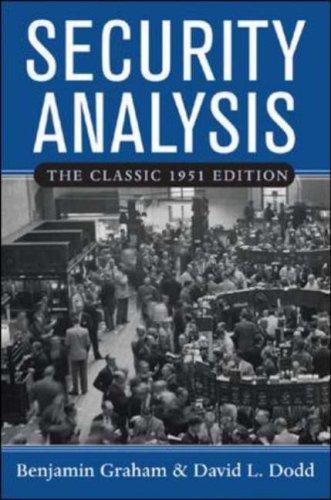
In 1984, at a Columbia University event marking fifty years since Graham and Dodd published Security Analysis, Warren Buffett stood up to answer a question that academics considered settled: if markets are efficient, how can anyone beat them consistently except by luck?
His reply became one of the most cited talks in investing. Buffett proposed a thought experiment. Imagine a national coin-flipping contest with 225 million Americans. After twenty days of flips, statistics say a couple of hundred people would still be winning every time — pure chance. But, Buffett asked, what if you discovered that forty of those winners all came from the same tiny village?
The intellectual village
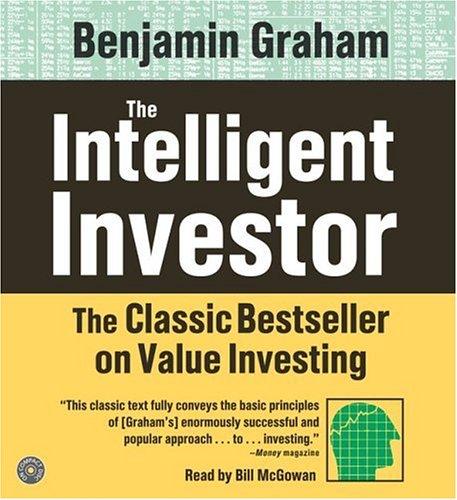
That village, he argued, exists in the real world of investing. He pointed to a group of managers — Walter Schloss, Tom Knapp, Bill Ruane, Charlie Munger, and others — who had all trounced the market for decades. Their common thread wasn't a shared stock-picking system; their portfolios barely overlapped. What they shared was an intellectual origin: the value-investing framework of Benjamin Graham and David Dodd.
“They have taken different roads to financial Valhalla.”
Why it still matters
The essay's punchline is that the winners were not clustered by luck but by philosophy — specifically, buying businesses for less than they are worth (a margin of safety) and ignoring the crowd. It reframed 'beating the market' from a statistical fluke into a learnable discipline, provided you have the right temperament.
- Consistent outperformance can come from a shared philosophy, not a shared formula.
- The edge is behavioral — buying value and tolerating short-term underperformance — more than informational.
- A margin of safety is the common denominator of the 'superinvestors.'
If you read only one thing to understand why value investing endures, this is it. Then read the two books that started the village.
This is an original explainer by Value Investors Club, not the essay itself. Read Warren Buffett's original ↗.